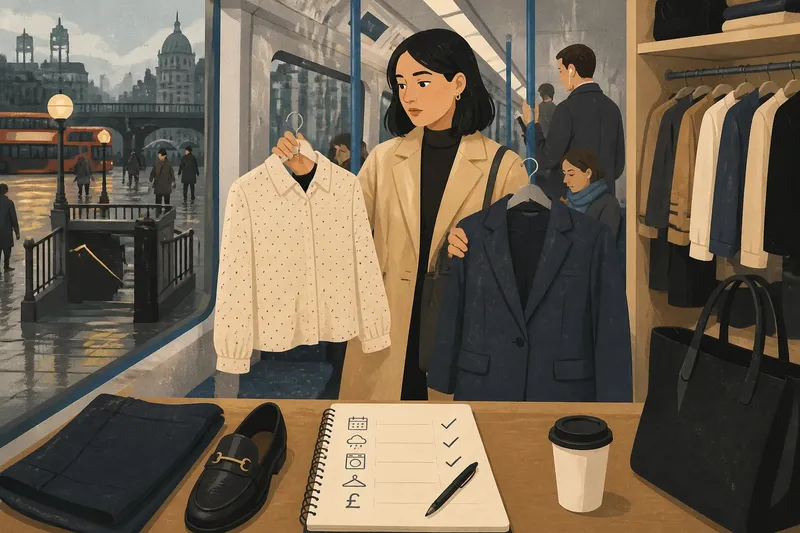
How Dress Codes Became a Language of Occasion
Dress codes for occasions are easier to read when you know how they developed and how to weigh the host, venue and activity before choosing an outfit.

The common mistake with dress codes for occasions is treating a few words as a complete outfit plan. That can leave you conspicuously formal, underdressed or uncomfortable; the label works better as a clue to the social language clothing has carried for centuries.
Clothing marked rank before it became an invitation shorthand
In many European societies, laws and customs once restricted who could wear particular fabrics, colours or ornaments. These rules varied by place and period, but they made clothing an especially visible way to distinguish rank and access. A costly garment could signal wealth; it could also be impractical for someone whose work required unrestricted movement.
That distinction should not be mistaken for a universal rule about class or labour. Clothing choices were shaped by local law, trade, religion, climate and available materials, and people adapted garments to their circumstances. The useful historical point is narrower: dress could communicate social position because other people knew the conventions being used.
Formal clothing also separated particular occasions from ordinary routines. Special garments, careful finishing and prescribed forms of dress made ceremonies and public gatherings recognisable as different kinds of events. The exact meaning depended on the community; there was no single ladder of formality shared by every society.
Urban life made dress a shorthand for roles
As towns and cities grew, strangers increasingly had to interpret one another without much context. Uniforms made some roles legible at a glance, while professional clothing—including the suit in many workplaces—came to signal a particular kind of public respectability. These conventions were neither universal nor fixed, but they helped people recognise a role before they knew its wearer.
Over time, written invitations and workplace expectations turned some of those social habits into named dress codes. Terms such as “black tie” offered a compact instruction, but still relied on shared knowledge and local practice. A label could suggest the general level of formality without specifying every garment or accommodating every venue.
That history explains why dress codes can feel both familiar and imprecise. They are not a timeless set of rules; they are shorthand inherited from particular settings, then adjusted as customs change.
Dress codes compress several social signals
“Smart casual” and “black tie” suggest a level of formality, but leave much unsaid. Place, time, host and activity all affect how guests interpret them. The same label can produce different outfits at a city wedding, a gallery opening or a work dinner.
A structured jacket, polished shoes or evening fabric may signal care for an occasion. Worn trainers or a relaxed shirt may suggest a different relationship to it. These are social readings, not universal laws; workplaces, communities and generations can assign different meanings to the same clothes.
Ask not only what the invitation says, but what the host seems to want the event to feel like and what guests are likely to wear in that setting.
Why do dress codes still leave room for interpretation?
Why does “smart casual” mean different things?
The phrase combines neatness with ease, and different hosts weigh those ideas differently. A workplace might accept a jacket with clean trainers, while a private dinner might suggest a collared shirt and smarter shoes.
Why can the same outfit seem formal in one room and casual in another?
People read clothes in relation to the activity and setting, not in isolation. A dark suit may suit a client meeting but feel stiff at a relaxed birthday supper.
What should I do when an invitation gives no dress code?
Use the venue, start time, wording and occasion as clues, then ask the host if the expectation remains unclear. A direct question about how dressed up guests are likely to be is usually less awkward than guesswork.
Read the event before choosing the outfit
Dress codes help guests arrive with roughly compatible expectations, but invitations may be copied from a template or leave out useful details. Read the wording alongside the purpose of the event and its practical demands.
- Check the activity: If it is a ceremony or presentation, choose a more polished outfit; if it is a relaxed meal, choose neat clothes with less formality.
- Check the venue: If it is a formal dining room, favour a more composed look; if it is a community hall or outdoor terrace, choose something suited to the setting.
- Check the time: If the event is in the evening, consider a more finished look; if it is during the day, lighter fabrics or simpler finishing may fit better.
- Check the host’s wording: If the invitation says “festive” or “cocktail”, use that as a cue to add polish; if the wording is plain, avoid assuming a more elaborate code.
- Check how you will move: If you will walk between locations or stand for a reception, choose shoes and layers that allow it; if you will mostly sit indoors, prioritise comfort for that setting.
- Check whether the host’s expectations are clear: If the code conflicts with the venue, ask the host; if no answer is available, choose a neat, moderately formal outfit rather than an extreme interpretation.
Say you receive an evening invitation to a small city gallery opening, with no dress code and a note about drinks in the courtyard. Your starting information is the event type, evening timing, gallery venue and outdoor drinks; you decide the clothes should look considered but allow movement between indoors and outside. You choose a dark jacket, plain shirt and comfortable, tidy shoes, then check that the combination suits both the gallery and the pavement. The result is a polished outfit that acknowledges the occasion without suggesting a formal dinner; the tradeoff is that it may be simpler than some guests’ choices, but it avoids being impractical outdoors.
When do dress-code cues point in different directions?
Does “black tie” always mean the same thing?
It signals evening formality, but local custom and the host’s expectations still matter. If the event is unfamiliar, ask the organiser what the label means for that gathering.
Should I copy what other guests wore last time?
Past photographs can reveal the event’s tone, but the venue, season or host may have changed. Treat them as clues rather than a binding uniform.
Can I ignore a dress code if it feels dated?
You can make a personal choice, but consider whether the code expresses the host’s intended atmosphere or a practical expectation. If you want an alternative, ask the host what would be acceptable before deciding.
Choose one clear cue when the signals conflict
An invitation may say “casual” while the venue suggests a polished evening, or guests may interpret the same words differently. Choose neat clothes with one visible gesture towards the occasion, such as a structured jacket, an elegant blouse or well-kept shoes. Trying to satisfy every possible reading at once usually makes the outfit less coherent.
Condition and fit affect the impression too. A simple outfit can look intentional when it is clean, comfortable and suited to the setting; a formally labelled item can look misplaced if it ignores the event’s tone. A message to the host can settle genuine uncertainty more efficiently than prolonged speculation.
Dress codes for occasions remain useful as social shorthand, not as secret tests. Their history shows why clothing can signal both role and event, while the host, venue and activity help determine how much formality to use. When in doubt, choose an outfit that respects the gathering and lets people attend to it.